-Evolutionary tradition-
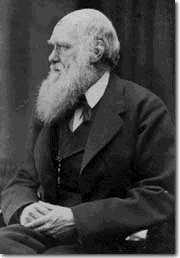
CHARLES DARWIN (1809-1882)
Studied EXPRESSIONS as an evidence for the evolution of species.
Formed the first QUESTIONNAIRE on emotions.
Used PHOTOGRAPHY to show emotional expression.
Developed TAXONOMY of emotional expressions.
On the Origin of Species (1859)
Explained how animals appeared on the earth in response to changing environments
Anatomical structures such as fins, wings, hands, and eyes as well as expressive behavior represented successful adjustment.
Treated expressions as FOSSILS.
Reasoned that mind including emotions had an evolutionary history.
The Expression of Emotion in Man and Animals (1872)
Suggested three principles:
- Principle of associated serviceable habits: Certain actions are involved in gratifying certain desires
- Principle of antithesis: opposite actions are involved when opposite feelings are felt
- Principle of direct action of nervous system.
- Innateness of emotional expression:
- Expressions appear similarly in many lower animals
- Expressions appear in very young children
- Expressions appear identical in those born blind
- Expressions appear in similar in widely distinct races
- Innateness of recognition of expression of others
POSSIBLE EFFECT: Emotions are seen as childish, destructive and enemies of rationality
-Psychophysiological tradition-
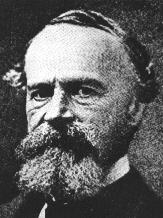
William James (1842-1910)
James, W. (1884). What is emotion? Mind, 19, 188-205.
The Principles of psychology (1890)
Objection to common-sense view of emotion
Similar theory was put forward by Carl Lange (1885)
Chicken-and-egg question: Which comes first?
POSSIBLE EFFECTS:
- Emotion is a subjective and idiosyncratic feeling state
- Research on autonomic physiology and lie detectors
-Psychodynamic tradition-
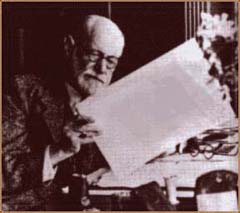
Sigmund Freud (1856-1939)
- Developed a theory about traumatic events to which intensive emotions are attached
- Symptoms of hysteria as a representation of repressed emotions
- Need for intense expression: Catharsis
- Developed free association and Psychoanalysis